Best Home Saunas in the UK: Barrel, Cabin and Infrared Compared
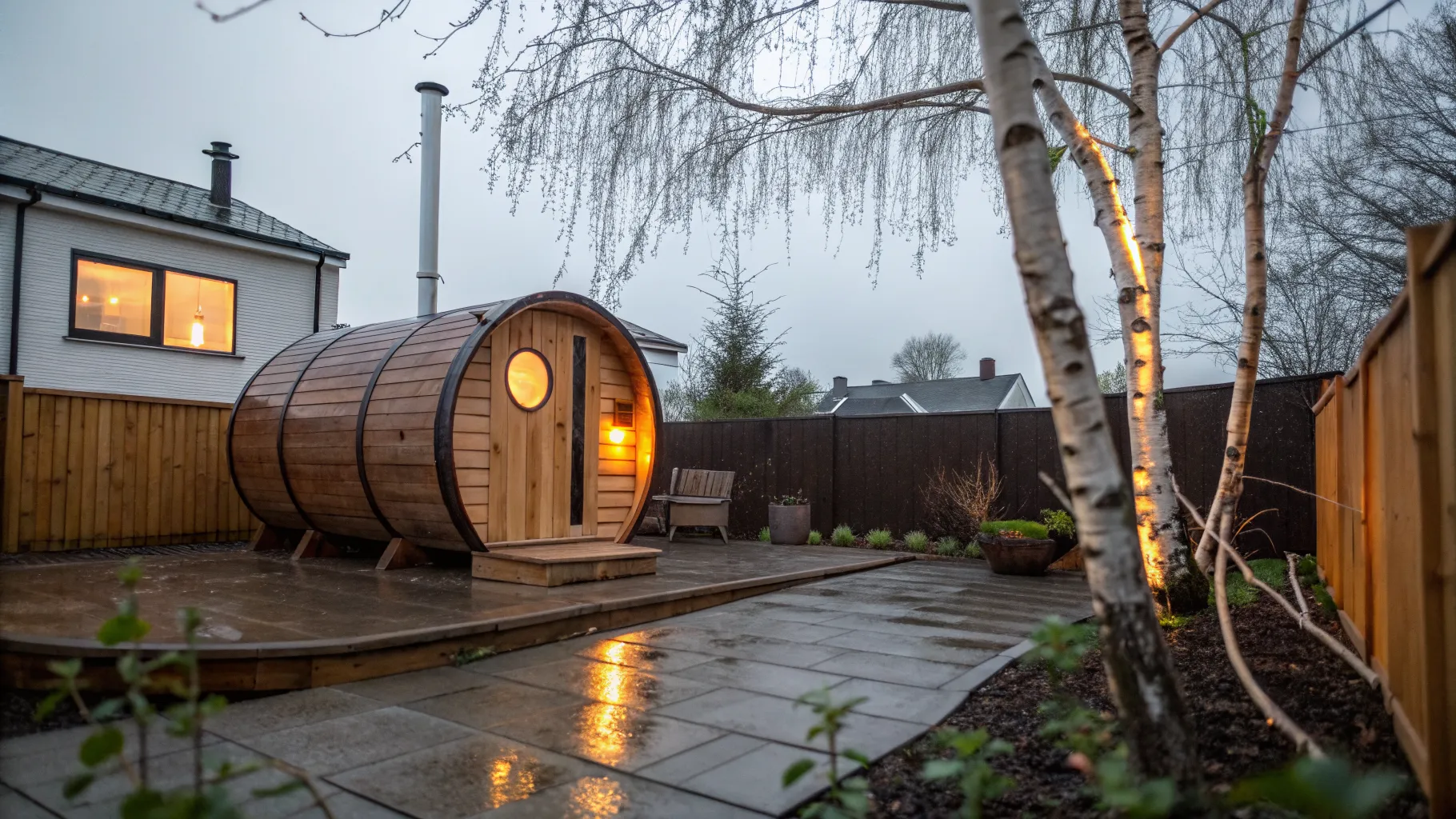
Buying a home sauna in the UK comes down to three real choices: a barrel sauna for the garden, an insulated cabin sauna for year-round outdoor use, or an infrared sauna that often plugs into the wall indoors. They behave very differently in heat, cost and installation, and the wrong pick usually means either an expensive shed you stop using in November or a small box that never gets hot enough to feel like a proper sauna.
This guide compares all three on the things that actually matter once you own one: how hot they get, what they cost in 2026, the electrical work involved, and what each costs to run. Prices below are taken from current UK suppliers and are starting points, not the final bill once you add a heater, delivery and an electrician.
The three types, and how they actually feel
The split that matters most is traditional heat versus infrared heat, because they are different experiences, not just different prices.
A traditional sauna runs an electric (or wood-fired) stove that heats stones and the air around you to roughly 70 to 90°C. You can throw water on the stones for steam, called löyly, which is the high-humidity hit most sauna regulars are chasing. Barrel saunas and outdoor cabins are almost always traditional.
An infrared sauna uses panels that warm your body directly with radiant heat while the air stays much cooler, around 45 to 60°C. It feels gentler, you sweat without the heavy air, and there is no steam. Infrared units are usually indoor cabins, and the smaller ones are the only type you can often run from a normal plug socket.
If you are a cold-water swimmer or gym recovery user who wants the contrast of intense heat then cold, traditional wins. If you want something low-fuss in a spare room and you find very high heat uncomfortable, infrared makes sense. Neither is "better"; they are answers to different questions.
Barrel sauna: best value for a real Finnish session
A barrel sauna is a flat-pack cylinder of staved timber with a stove inside. The round shape means a smaller air volume to heat, so it reaches temperature quickly, often in around 30 minutes to an hour depending on the heater and the weather. It is the cheapest way into a genuine high-heat, steam-capable sauna.
Typical UK pricing from a specialist like Finnmark runs from about £3,000 for a micro 1 to 2 person barrel, £4,000 for a small 2 to 4 person, £5,500 for a 4 to 6 person, up to around £7,000 for a large 6 to 8 person model. Those figures are for the cabin; budget more for the heater, delivery and electrical work.
The trade-off is the British winter. A barrel has curved walls and limited insulation, so it loses heat faster and works harder in cold, wet weather. In near-freezing conditions an uninsulated barrel can take an hour or more to come up to temperature with the heater running flat out. For occasional use spring to autumn it is excellent value. For sauna four or five times a week through January, look at a cabin.
Cabin sauna: the one that survives a UK winter
An outdoor cabin sauna has flat, insulated walls and a proper roof, which is why it is the only outdoor design that performs reliably through a British winter without the heater struggling. A properly insulated cabin can reach temperature in around half an hour regardless of season, where a bare barrel cannot. Build quality and timber choice are doing real work here.
Expect roughly £10,000 to £19,000 and up for an outdoor cabin in the UK, depending on size, timber, heater and how custom the build is. Fully bespoke installations from premium builders such as Finnmark start higher again, typically from around £35,000.
Timber is worth understanding before you spend this much. Thermowood (thermally modified spruce or pine, heat-treated in kilns) is the sensible choice for the outside of a UK sauna because the process drives out moisture and resin, so the wood absorbs far less water and is much less prone to swelling, cracking and shrinking in our damp climate. Western red cedar is the prized option for the interior thanks to its smell, feel and natural rot resistance, though it costs more and is more moisture-sensitive than thermowood, so exposed cedar outdoors needs more regular upkeep. Cheaper builds in untreated softwood will need constant maintenance outdoors, so check what you are actually buying.
Infrared sauna: low-fuss, low-heat, often plug-and-play
Infrared cabins are the easiest to live with. A small 1 to 2 person unit typically draws around 1.6 to 1.8kW, which means many of them run from a standard 13A UK socket with no special wiring, no venting and, in some cases, you can even stand it on carpet. That removes the electrician’s bill that traditional saunas almost always carry.
UK pricing starts around £1,200 for a basic 1 person infrared sauna, with 2 person indoor and outdoor models commonly landing in the £1,400 to £2,000 range from volume brands, and premium full-spectrum cabins with chromotherapy lighting and Bluetooth audio running well above that, into four-person models that can pass £6,000.
Two honest caveats. First, only the smaller units are truly plug-and-play; that 13A socket should ideally be on its own circuit, so do not share it with a tumble dryer or freezer, and larger 3-person-plus infrared cabins can need a dedicated higher-power supply. Check the specification before you assume the socket is enough. Second, infrared is not the same sensation as a hot, steamy traditional sauna. If contrast therapy after a cold swim is the goal, manage your expectations.
What the electrics really involve
This is where a lot of first-time buyers get caught out, and it is not optional.
Any electrical work in a room containing a sauna heater is a special location and is notifiable under Part P of the Building Regulations in England and Wales. A traditional electric heater usually needs a dedicated supply, commonly around a 32A circuit for a 6kW heater, hardwired by a qualified electrician. The work must either be done by an electrician registered with a competent person scheme (such as NICEIC or NAPIT) who can self-certify, or notified to your local authority building control before it starts. You can read the official position on notifiable work via Electrical Safety First.
Practically, that means:
- Barrel and cabin saunas: budget for a registered electrician to run a dedicated circuit. This is a real line in your costs.
- Small infrared saunas: if the unit is rated to run from a 13A plug, you can often skip the electrician entirely, which is a genuine saving.
Skipping certification on a hardwired sauna is a false economy. It can cause problems when you sell the house, and it removes a safety check on a high-power circuit in a hot, sometimes humid room.
Running costs in 2026
Heat type drives the day-to-day cost more than anything else. UK electricity sits at roughly 25p per unit under the Ofgem price cap, so the sums below use figures in that range.
- Traditional (6kW heater): the stove runs at full power to heat up then drops to maintain, so a session pulls roughly 6 to 9kWh, which is about £1.50 to £2.50. Used three times a week, that is roughly £20 to £30 a month. Heavy daily winter use pushes it higher.
- Infrared (1.6 to 1.8kW): far less per session, often under £1, because there is less power draw and a shorter warm-up. That is part of the appeal for daily use.
Insulation matters too. A well-insulated cabin holds heat, so the stove cycles less and costs less to keep at temperature than an uninsulated barrel in the same weather.
Which one should you buy
- You want the real thing on a sensible budget, mostly spring to autumn: a barrel sauna from about £3,000 to £7,000.
- You will sauna year-round, including a wet UK winter, several times a week: an insulated cabin, £10,000 to £19,000-plus, in thermowood with a cedar interior if budget allows.
- You want low-effort recovery in a spare room with no electrician: a small 13A infrared cabin from around £1,200 to £2,000, accepting it is a gentler, drier heat.
Whichever you choose, the heat is only half of it. The other half is what you do straight afterwards, which is why so many UK owners pair a sauna with a cold plunge. If that is the plan, read our ice bath and cold plunge buying guide before you fix your budget, because a decent cold setup changes how much you have left for the sauna.
Frequently asked questions
Can I run a home sauna from a normal plug socket? Often yes for a small infrared sauna rated at around 1.6 to 1.8kW, which can use a standard 13A UK socket with no special wiring, ideally on its own circuit. Traditional barrel and cabin saunas almost always need a dedicated higher-power circuit installed by a qualified electrician.
Do I need an electrician and building control sign-off? For a traditional electric sauna, yes. A room with a sauna heater is a special location, so the electrical work is notifiable under Part P of the Building Regulations in England and Wales. It must be done by a registered electrician who self-certifies, or notified to building control beforehand. Small plug-and-play infrared units usually avoid this.
Is infrared as good as a traditional sauna? They are different. Infrared warms your body at a lower air temperature of about 45 to 60°C with no steam, which feels gentler and is easier to use daily. Traditional saunas hit 70 to 90°C and let you add steam, which is the more intense experience most regulars and cold-water swimmers prefer.
What is the best wood for an outdoor sauna in the UK? Thermowood (heat-treated spruce or pine) is the practical choice for outdoor structures because it absorbs less moisture and resists swelling and cracking in damp British weather. Western red cedar is the prized interior option for its scent and feel. Untreated softwood outdoors needs constant maintenance and is best avoided.
How much does a home sauna cost to run? A traditional 6kW sauna costs roughly £1.50 to £2.50 per session at current UK electricity rates, or about £20 to £30 a month used three times weekly. A small infrared unit costs noticeably less per session, often under £1, because it draws far less power and warms up faster.
Will a barrel sauna work through a British winter? It will run, but a barrel has curved, lightly insulated walls so it loses heat faster and the stove works harder in cold, wet weather, sometimes taking an hour or more to get hot. For frequent winter use, an insulated cabin sauna performs more reliably and costs less to keep at temperature.
More from Baltic Spa
 Reviews
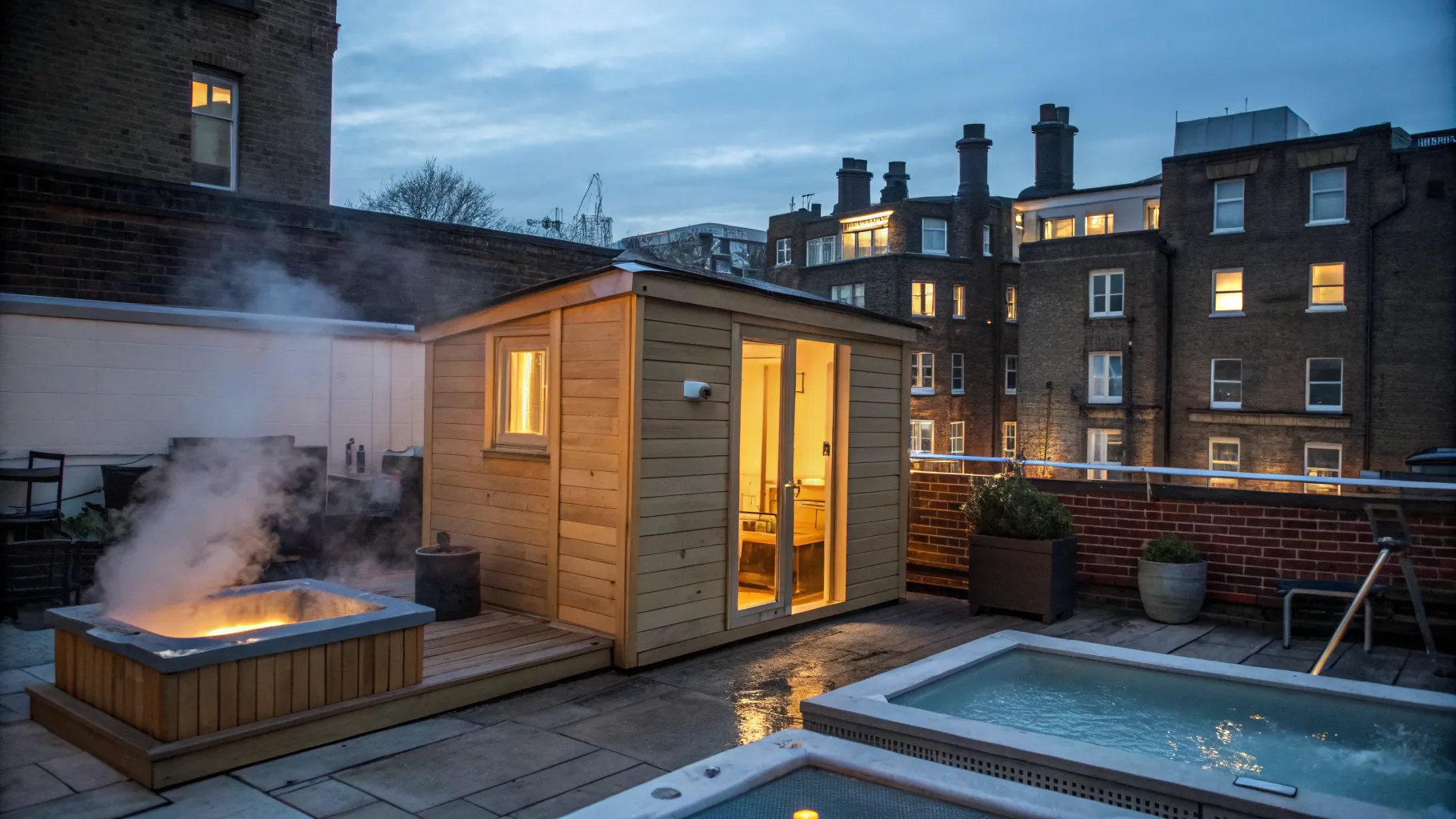
The Best Public Saunas in London for 2026, Tested and Ranked
We tested and ranked the best public saunas in London for 2026, from £9.50 community baths to Canary Wharf's 60-person contrast therapy hall.
 Infrared Saunas
Infrared Sauna Blankets: How They Work and Who They Suit
How an infrared sauna blanket works, what the layers and EMF claims really mean, who they suit and who should avoid one, from an evidence-first UK guide.
Sauna Stones Calculator: How Many Kg of Stones Do You Need?
Free sauna stones calculator: enter your electric heater's kW or your wood stove size and get the recommended stone weight in kg, plus how many boxes to buy.